

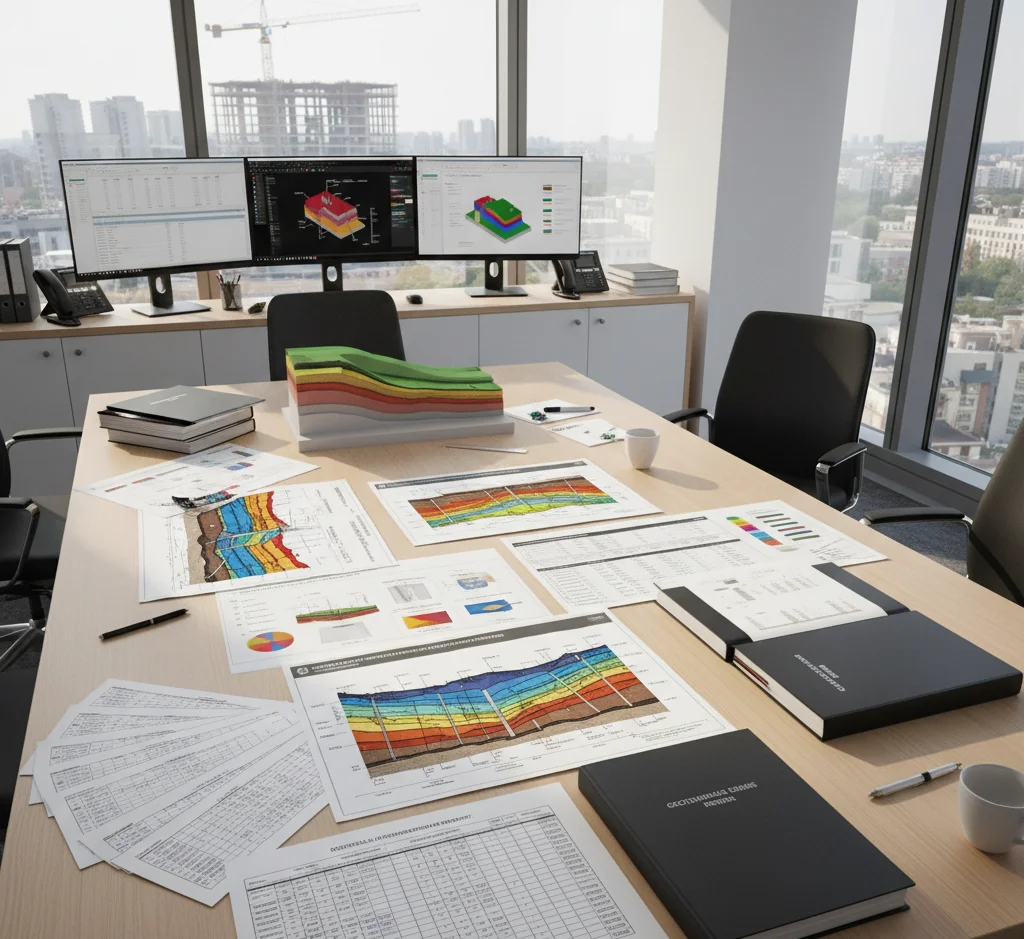
Producing Geotechnical Interpretive Reports requires significant engineering expertise, technical analysis, and professional judgment. Engineers must review large volumes of investigation data, identify geological patterns, develop conceptual ground models, derive engineering parameters, evaluate uncertainties, and prepare comprehensive technical narratives.
Common challenges include:
- Time-consuming interpretation of large datasets.
- Variability in report quality between engineers and offices.
- Difficulty leveraging historical project knowledge.
- Repetitive preparation of engineering narratives and technical discussions.
- Challenges identifying data gaps and uncertainties.
- Inconsistent application of standards and industry guidance.
- Limited visibility into subsurface risks during early project stages.
- Increasing pressure to deliver high-quality reports within shorter timeframes.
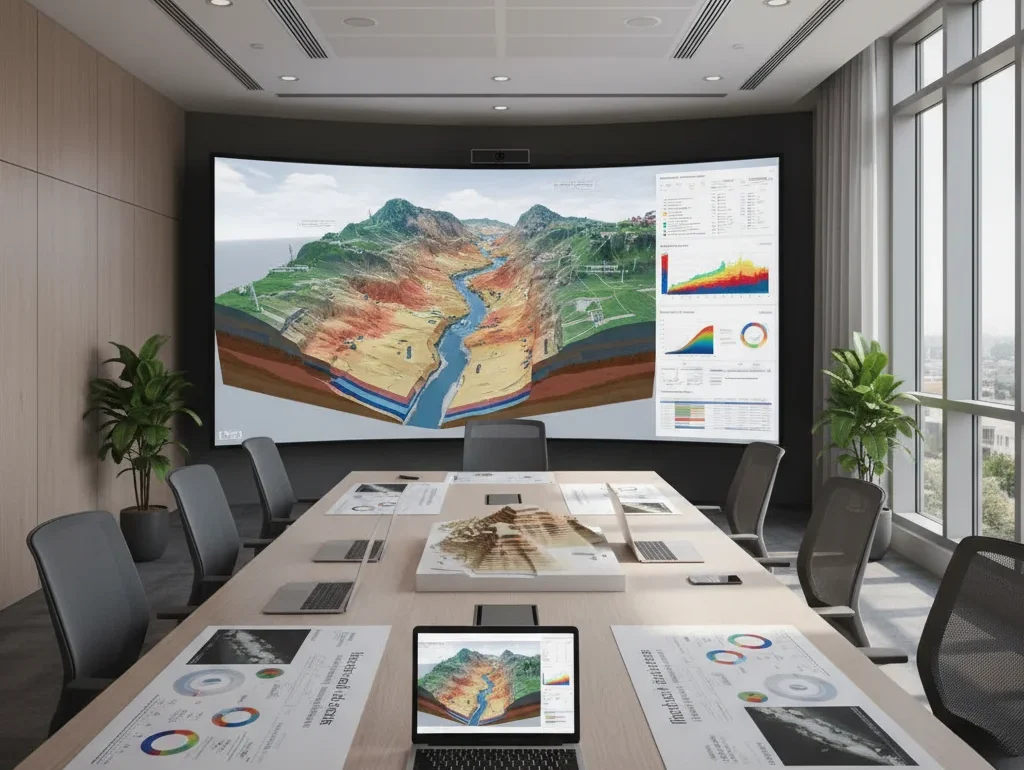
As projects become larger and more complex, organizations need smarter tools to support geotechnical decision-making and reporting.