

- Compliance is a critical component of every geotechnical and infrastructure project. Engineers must ensure that reports, calculations, investigation programs, designs, and construction recommendations align with numerous standards, project specifications, and regulatory requirements.
- Manual compliance reviews are often time-consuming and depend heavily on individual expertise. As projects become larger and standards become more detailed, identifying every compliance requirement becomes increasingly difficult.
- Missing a critical requirement can result in project delays, costly redesigns, regulatory concerns, contractual disputes, or increased project risk.
- Organizations need a faster and more reliable way to verify compliance while maintaining engineering quality and accountability.
GeoCompliance AI
Simplify Compliance. Strengthen Engineering Confidence.
Overview
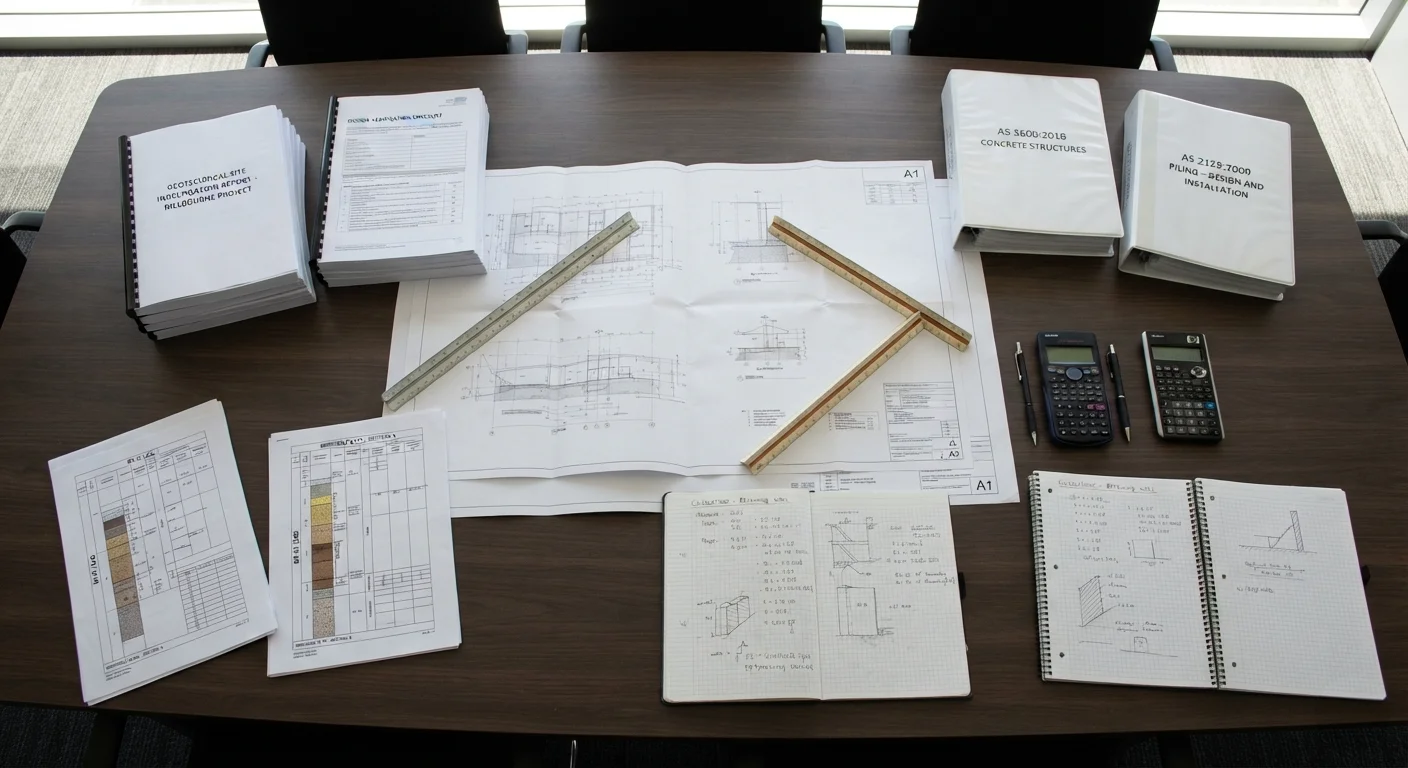
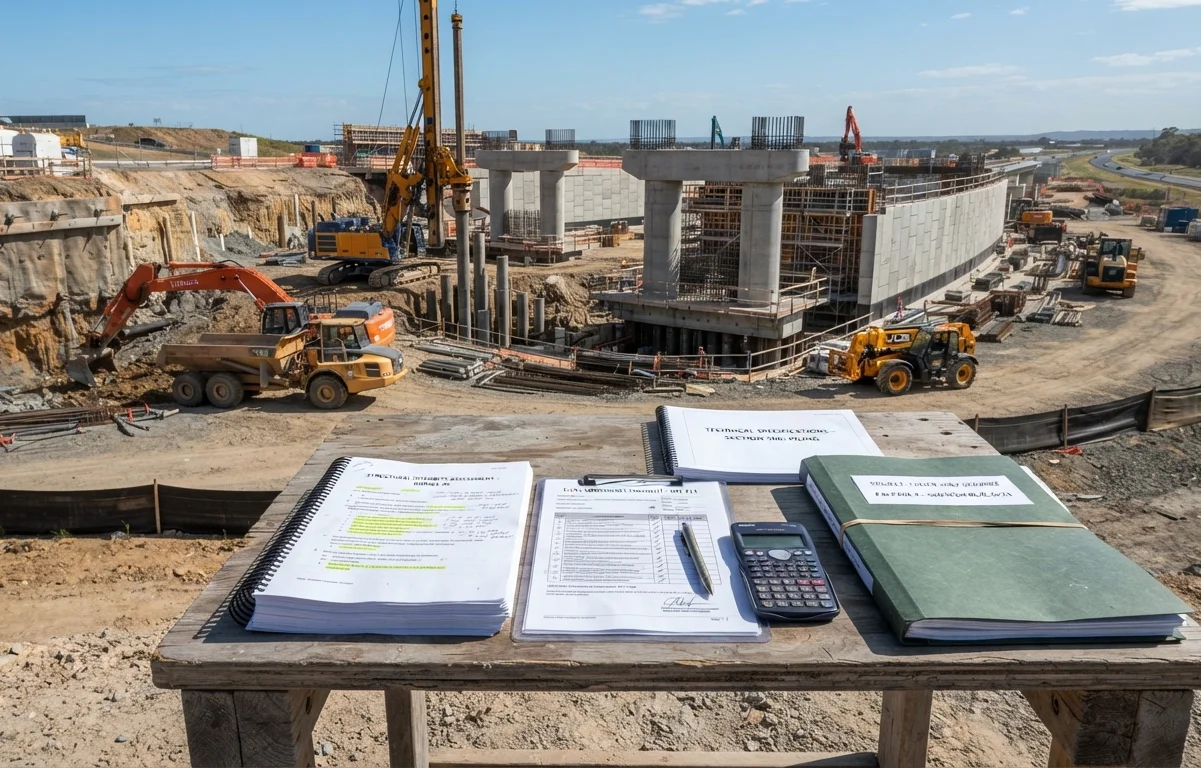
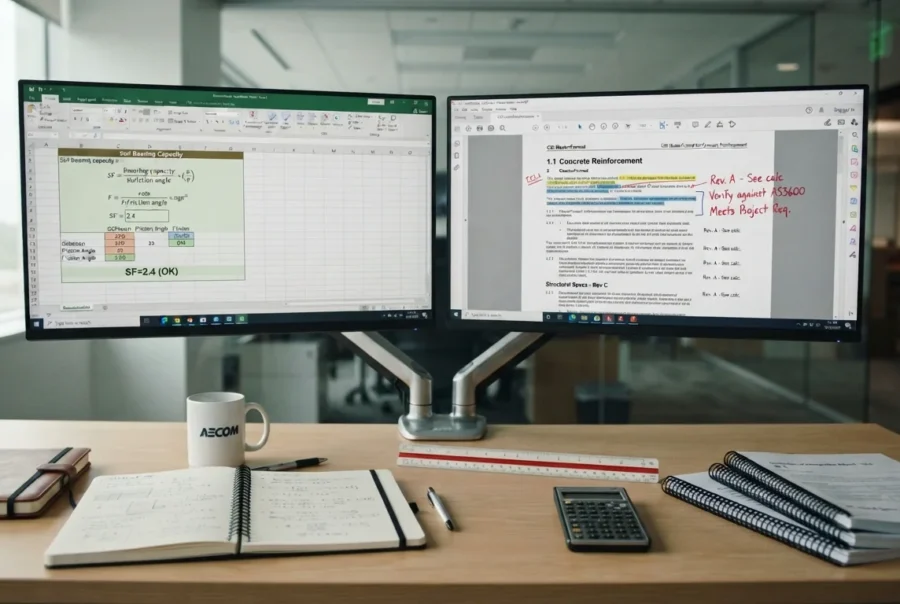
GeoCompliance AI is an intelligent compliance assessment platform designed to automatically evaluate geotechnical documents, designs, reports, calculations, and project specifications against applicable Australian Standards, regulatory requirements, and project-specific criteria.
The platform helps engineering teams identify compliance gaps, inconsistencies, missing requirements, and potential risks before project approvals, construction activities, or regulatory reviews take place.
By automating complex compliance reviews, GeoCompliance AI reduces manual effort, improves consistency, and provides greater confidence that engineering deliverables meet required standards and specifications.
Challenges
Solution
- GeoCompliance AI automates the compliance review process by comparing project documentation against applicable standards, specifications, and engineering requirements.
- The platform analyzes reports, calculations, investigation plans, design documents, and technical specifications to determine whether key requirements have been addressed. It identifies missing information, highlights non-compliance issues, and provides traceable references to the relevant standards and project criteria.
- Engineering teams receive clear compliance assessments supported by evidence, allowing them to resolve issues before they impact project delivery.
- With GeoCompliance AI, organizations can improve review efficiency, reduce risk exposure, and maintain confidence in the quality of their engineering deliverables.
Key Features
How it works?
Why Use GeoCompliance AI?
Engineering compliance reviews are essential for reducing project risk and maintaining quality standards. However, manual reviews often require significant effort and can vary between reviewers.
GeoCompliance AI delivers a structured and repeatable approach to compliance verification, helping organizations identify issues earlier and improve consistency across projects.
By automating routine compliance checks, engineering teams can focus on technical decision-making while maintaining confidence that key requirements have been addressed.
The result is improved quality assurance, reduced compliance risk, and faster project reviews.
Who Can Benefit?
GeoCompliance AI is designed for organizations responsible for delivering compliant engineering outcomes, including:
- Geotechnical Engineering Consultants
- Civil Engineering Firms
- Infrastructure Developers
- Construction Contractors
- Government Agencies
- Mining & Resources Companies
- Quality Assurance Teams
- Engineering Review Panels
The platform supports organizations seeking greater consistency, transparency, and confidence in compliance management.
Where GeoCompliance AI Strengthens Compliance?
Geotechnical Investigation Reports: Verify that investigations and reporting meet applicable standards and project requirements.
Engineering Design Reviews: Assess whether geotechnical designs comply with technical specifications and regulatory expectations.
Construction Documentation: Review construction-related deliverables to ensure compliance obligations are addressed.
Quality Assurance Programs: Provide independent compliance verification across engineering projects and portfolios.
Regulatory Submissions: Improve confidence before submitting reports and technical documentation to regulators and approval authorities.
Internal Technical Reviews: Support engineering review teams with faster and more consistent compliance assessments.
Large Infrastructure Projects: Maintain compliance oversight across multiple disciplines, contractors, and project stages.