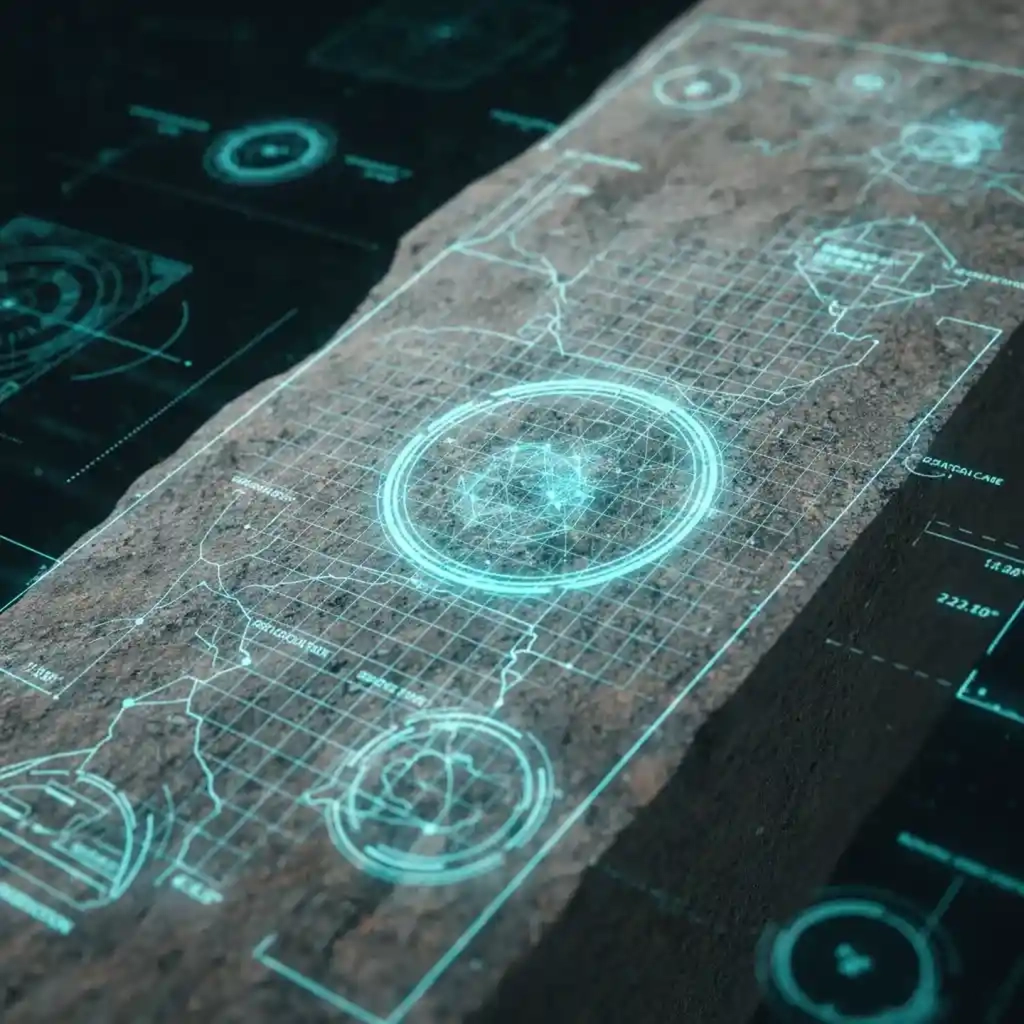


- Geological maps contain valuable information about rock formations, soil units, faults, geological structures, and historical geological processes. However, interpreting this information often requires significant expertise and can be time-consuming, especially when dealing with large project areas or multiple geological datasets.
- Project teams frequently need to review numerous geological maps, GIS layers, and regional geological databases before developing an understanding of site conditions. This process can be inconsistent, resource-intensive, and vulnerable to oversight.
- As infrastructure, mining, and development projects become more complex, organizations need faster and more reliable ways to transform geological information into practical engineering knowledge.
GeoMap AI
Turn Geological Maps into Engineering Intelligence.
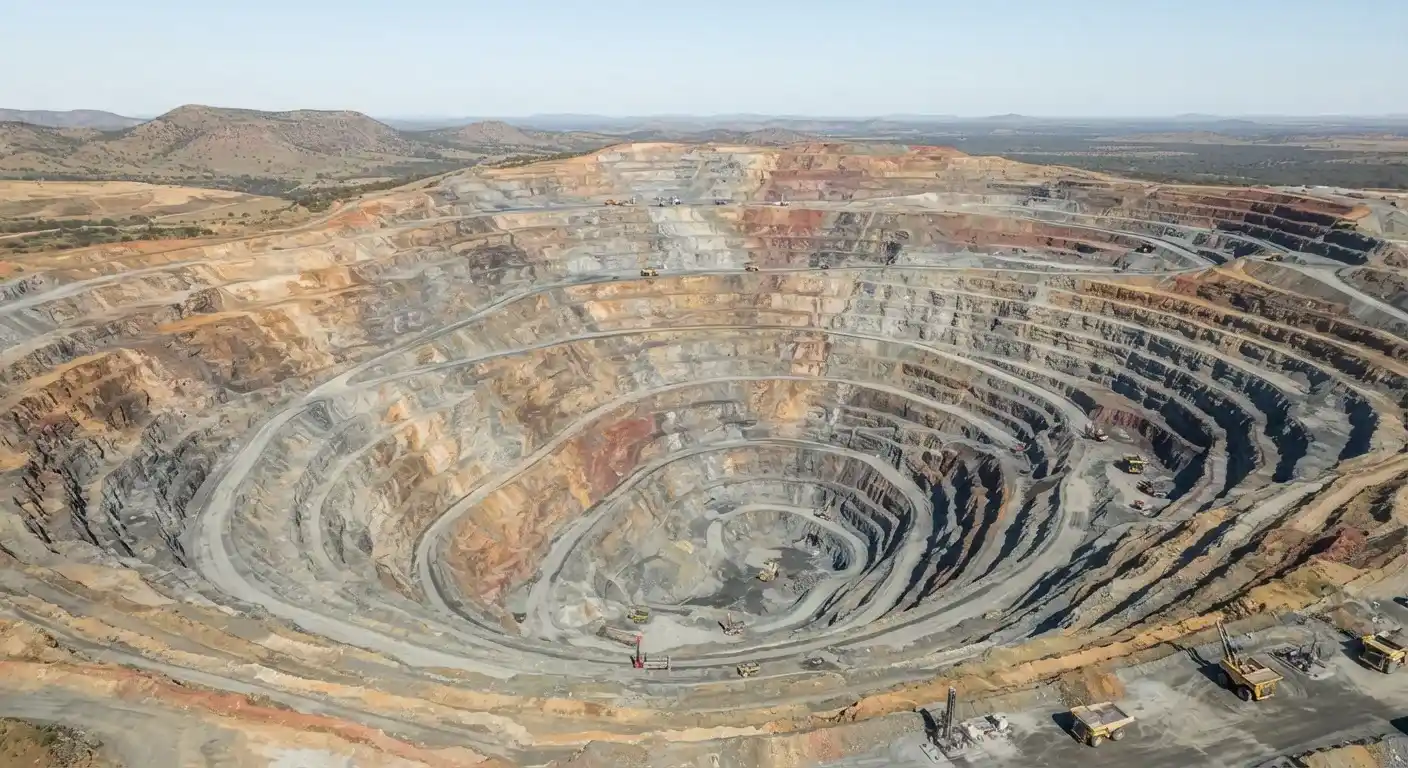
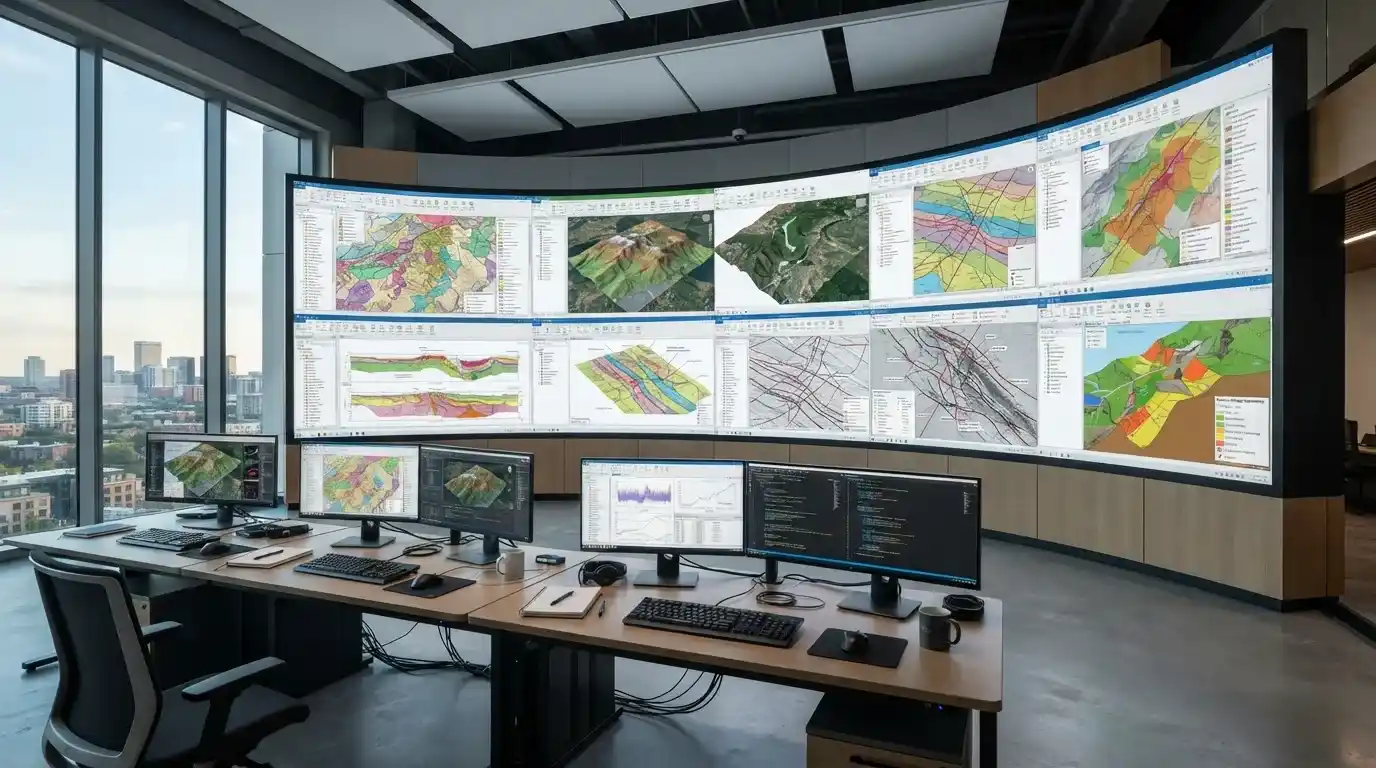

Overview
GeoMap AI is an intelligent geological interpretation platform designed to extract, analyze, and summarize geological information from regional geological maps, GIS datasets, and geological databases. The platform transforms complex geological data into clear, actionable insights that support geotechnical investigations, infrastructure planning, mining projects, environmental assessments, and engineering decision-making.
By automating geological interpretation, GeoMap AI helps engineers and geoscientists quickly understand subsurface conditions, identify geological risks, and make more informed project decisions.
Challenges
Solution
- GeoMap AI automates the interpretation of geological mapping data by analyzing geological databases, GIS layers, and regional geological maps. The platform identifies key geological features, summarizes subsurface conditions, and highlights factors that may influence project planning, investigation programs, and engineering design.
- The AI converts technical geological information into easy-to-understand summaries while maintaining traceability to source data. Users receive a comprehensive geological assessment that supports risk identification, project feasibility studies, and investigation planning.
- With GeoMap AI, organizations can rapidly unlock the value of geological data without spending weeks manually reviewing maps and databases.
Key Features
How it works?
Why Use GeoMap AI?
Geological information forms the foundation of many engineering, infrastructure, environmental, and mining decisions. However, extracting useful insights from complex geological maps and datasets can be challenging and time-consuming.
GeoMap AI accelerates geological interpretation by transforming large volumes of mapping data into practical, project-ready intelligence. The platform helps organizations identify geological risks earlier, improve investigation planning, and develop a stronger understanding of site conditions before major project investments are made.
The result is faster geological assessment, improved project confidence, and more informed decision-making.
Who Can Benefit?
GeoMap AI is designed for professionals and organizations that rely on geological information to support planning, investigations, and engineering decisions, including:
- Geotechnical Engineering Consultants
- Engineering Geologists
- Mining & Resources Companies
- Civil Engineering Firms
- Infrastructure Developers
- Environmental Consultants
- Government Geological Agencies
- Land Development Organizations
The platform helps teams rapidly convert geological data into actionable knowledge that supports project success.
Where GeoMap AI Creates Geological Insight?
Regional Infrastructure Planning: Understand geological conditions across large project corridors and development areas.
Site Investigation Planning: Identify geological features that influence investigation scope and drilling programs.
Mining & Resource Exploration: Analyze geological formations and structures to support exploration and resource evaluation.
Geotechnical Risk Assessments: Screen project sites for geological hazards that may impact design and construction.
Environmental & Land Development Studies: Understand geological conditions that influence land use planning and environmental assessments.
Transportation Projects: Assess regional geology for highways, rail corridors, tunnels, and major infrastructure developments.
Government & Geological Surveys: Support large-scale geological mapping, data interpretation, and public infrastructure planning initiatives.