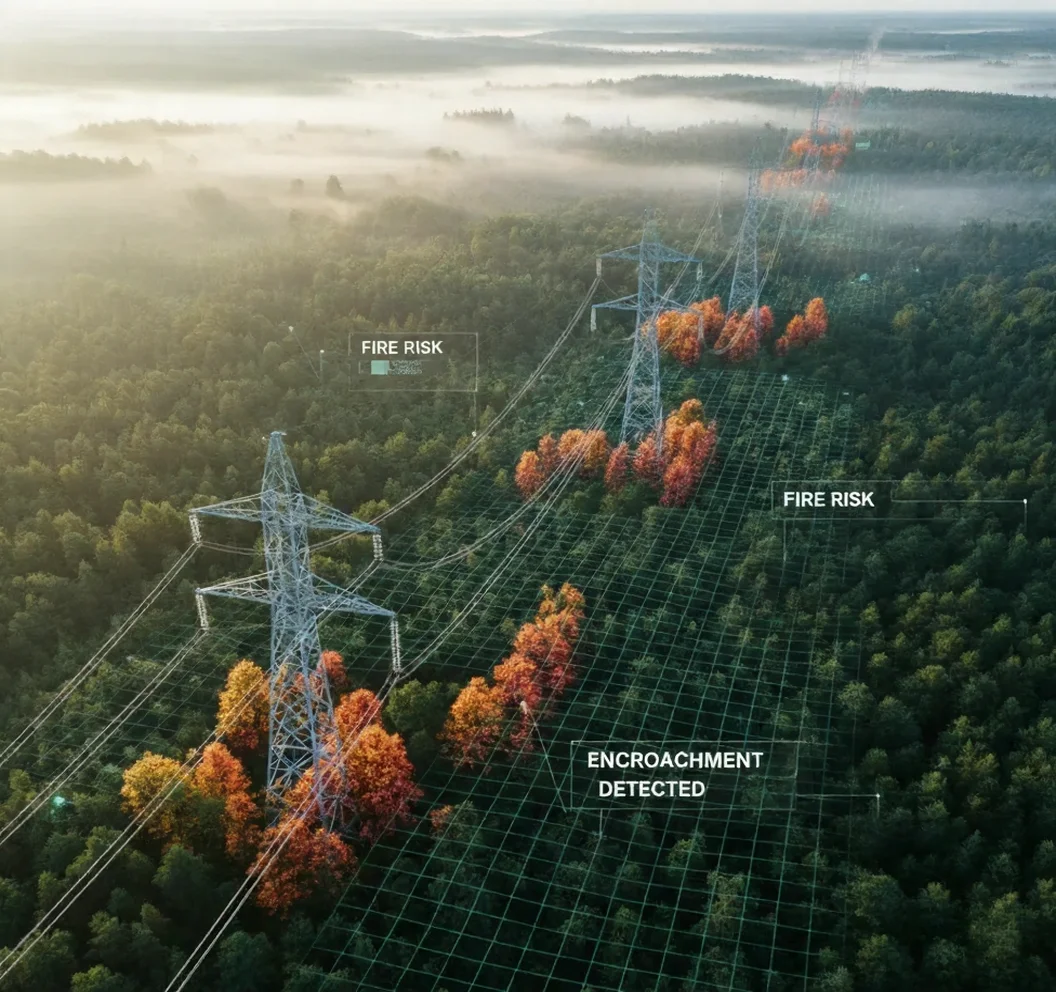


- Planning a geotechnical investigation is one of the most critical stages of any infrastructure, construction, mining, or development project. Engineers must assess site conditions, project risks, regulatory requirements, historical data, and applicable standards before determining the appropriate investigation scope.
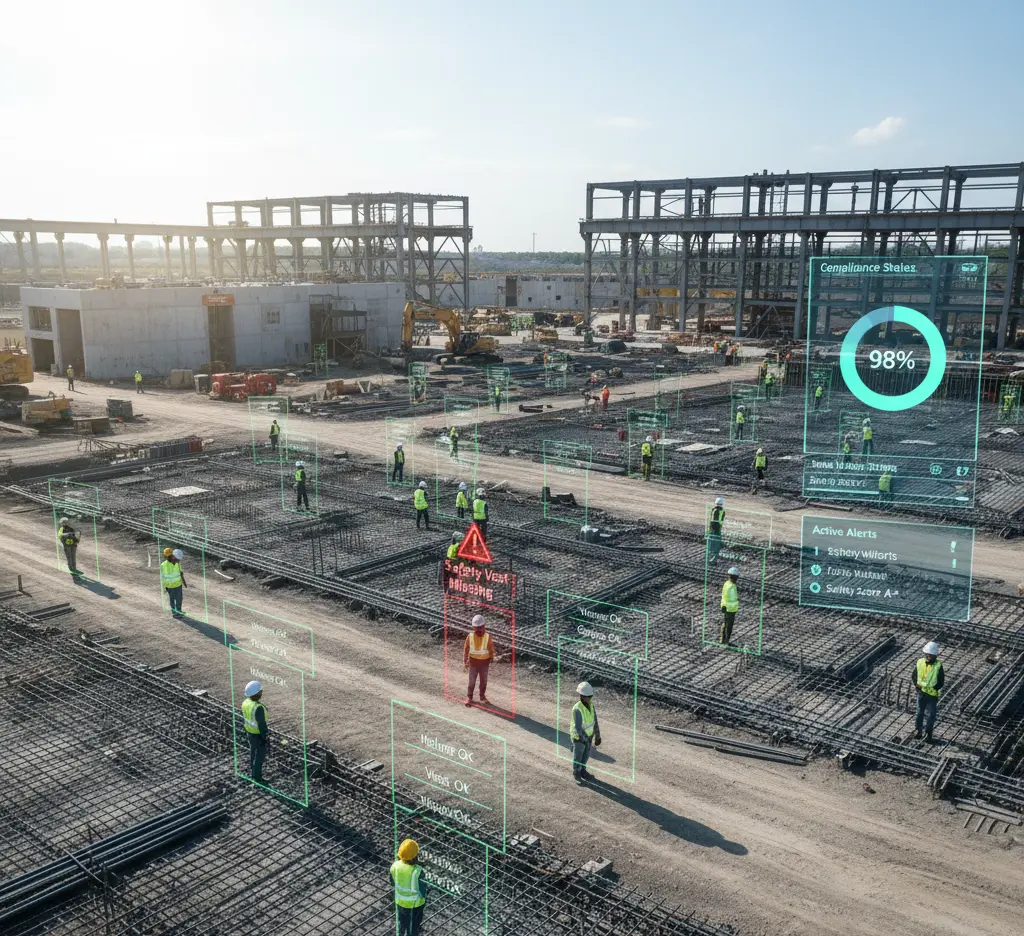
- Traditional planning often relies heavily on manual reviews, expert judgment, and fragmented information sources. This can lead to under-investigation, unnecessary testing, increased costs, project delays, or unforeseen ground-related risks during construction.
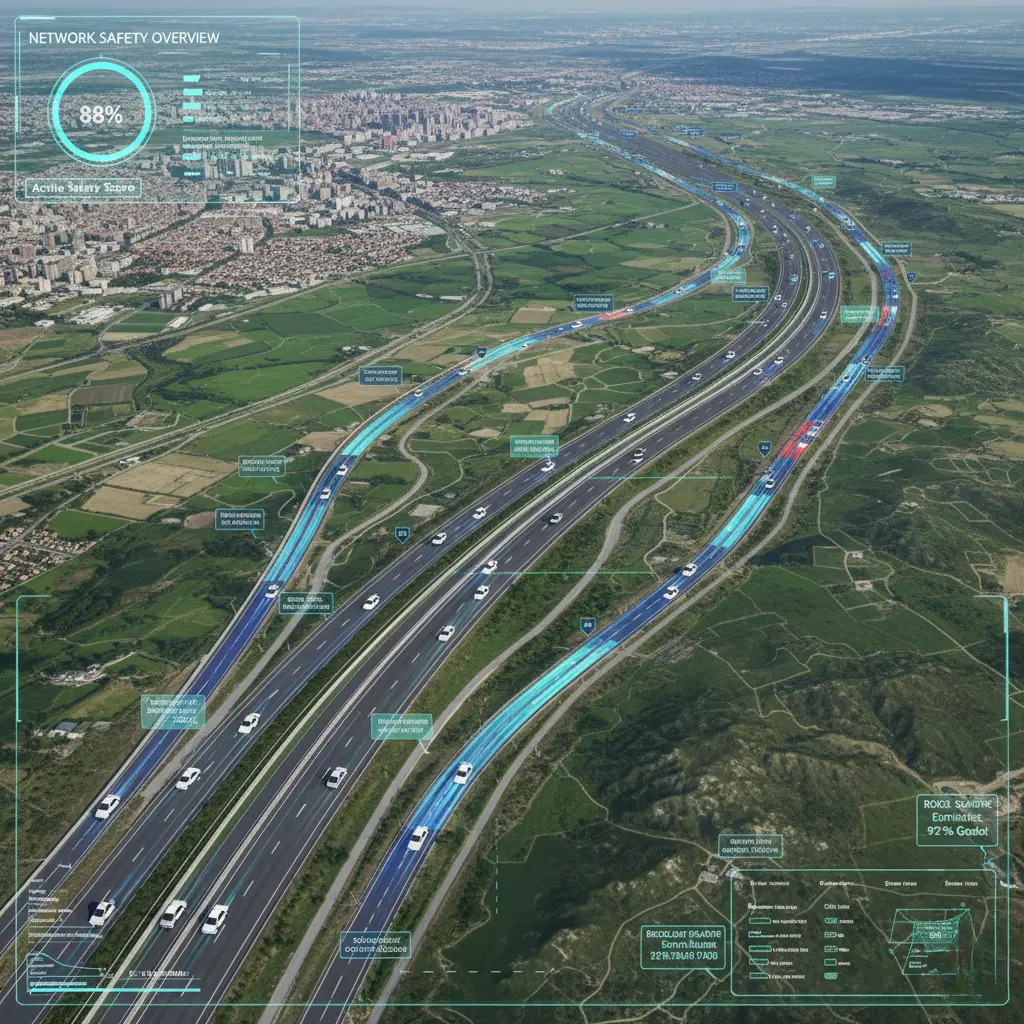
- As projects become larger and more complex, ensuring the right investigation scope at the right time becomes increasingly challenging.
GeoScope AI
Smarter Site Investigations. Better Ground Decisions.

Overview
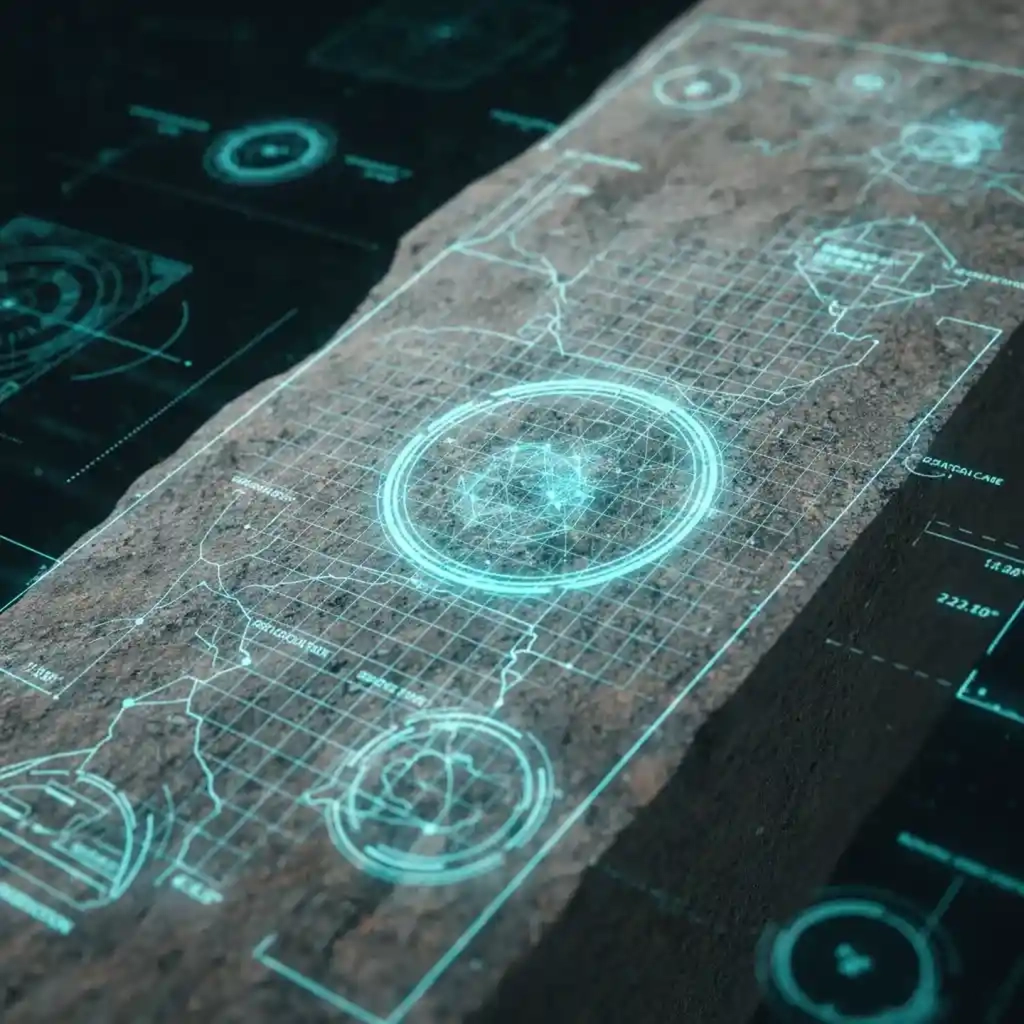
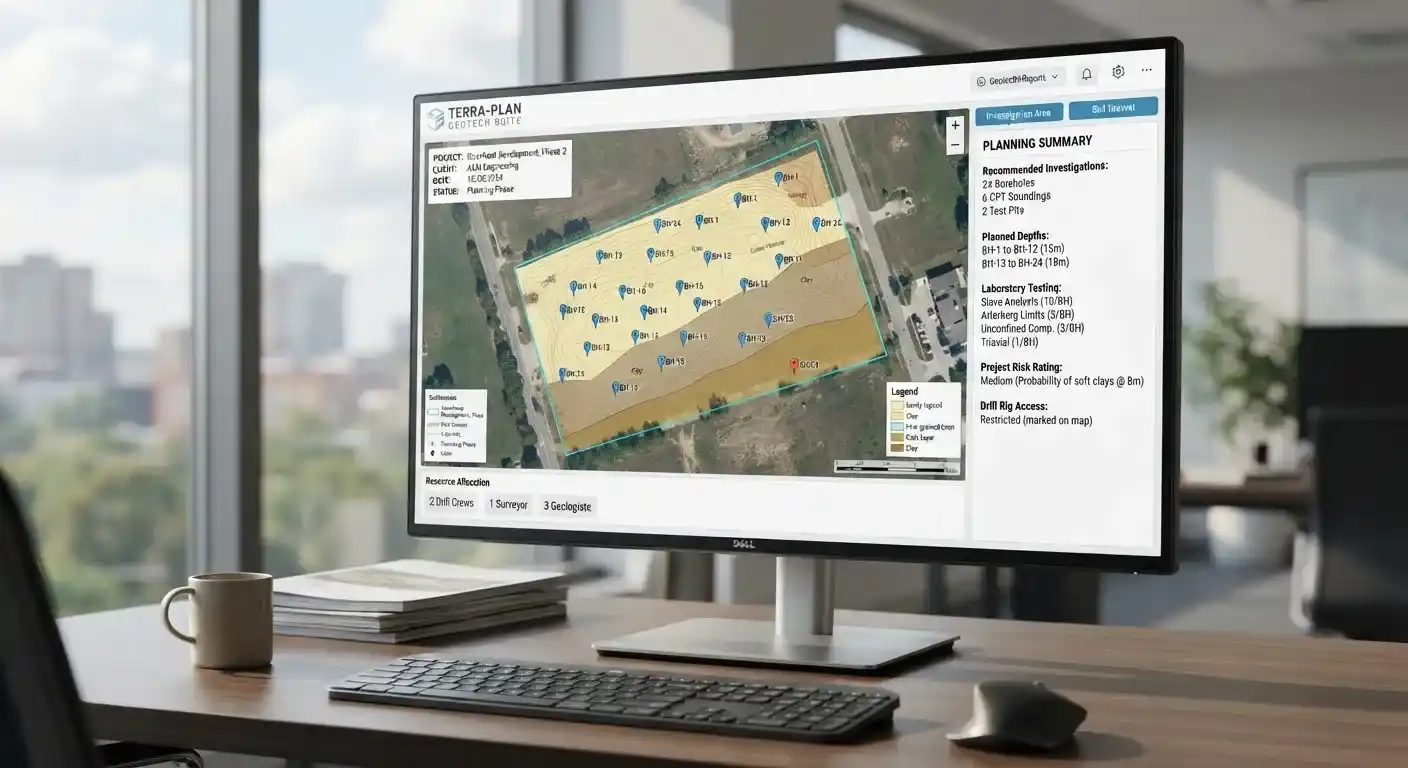
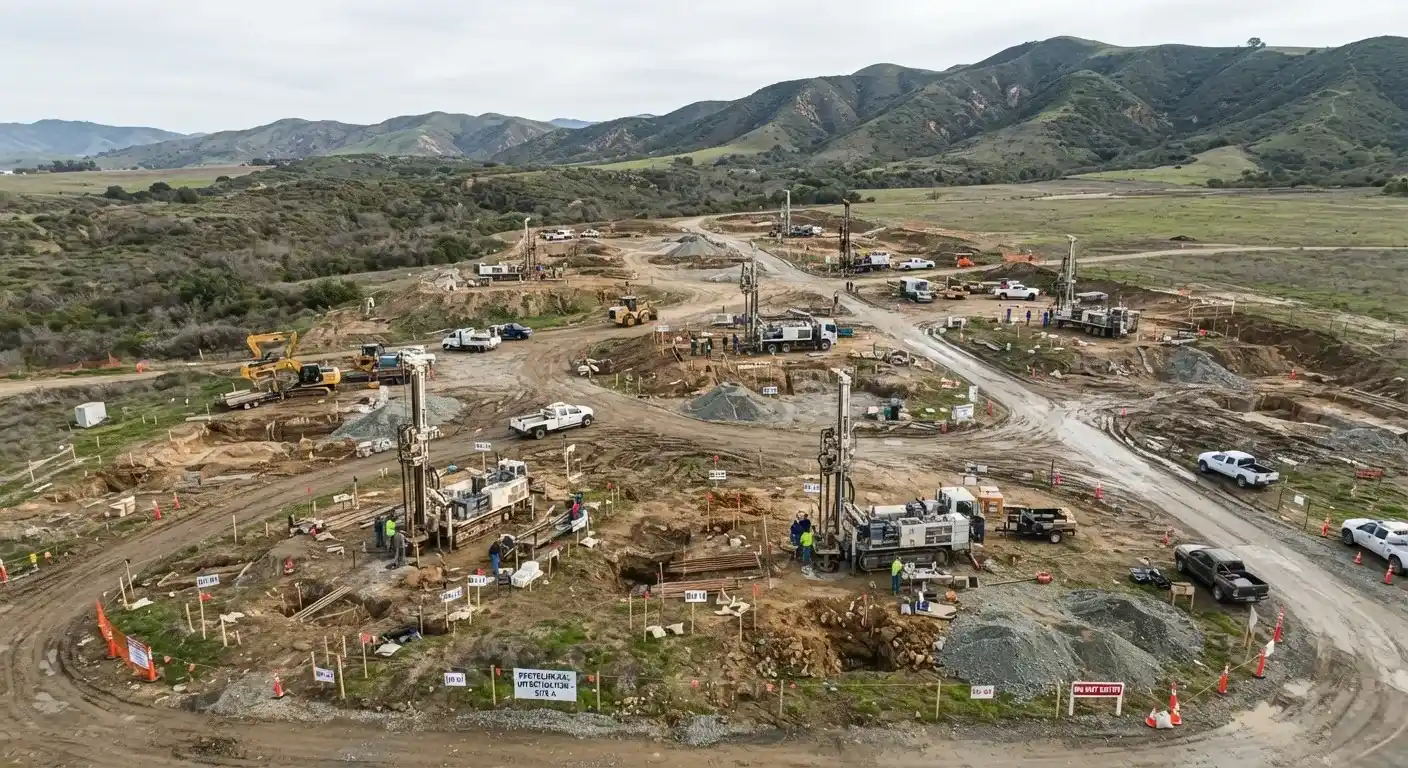
GeoScope AI is an intelligent geotechnical planning engine that helps engineers determine the optimal scope of site investigations for any project. By analyzing project requirements, site conditions, regulatory standards, historical geotechnical data, and engineering objectives, GeoScope AI recommends the most appropriate investigation program, including borehole locations, testing requirements, field investigations, and reporting needs.
The result is a faster, more consistent, and cost-effective approach to geotechnical investigation planning, reducing uncertainty and improving project outcomes from the very beginning.
Challenges
Solution
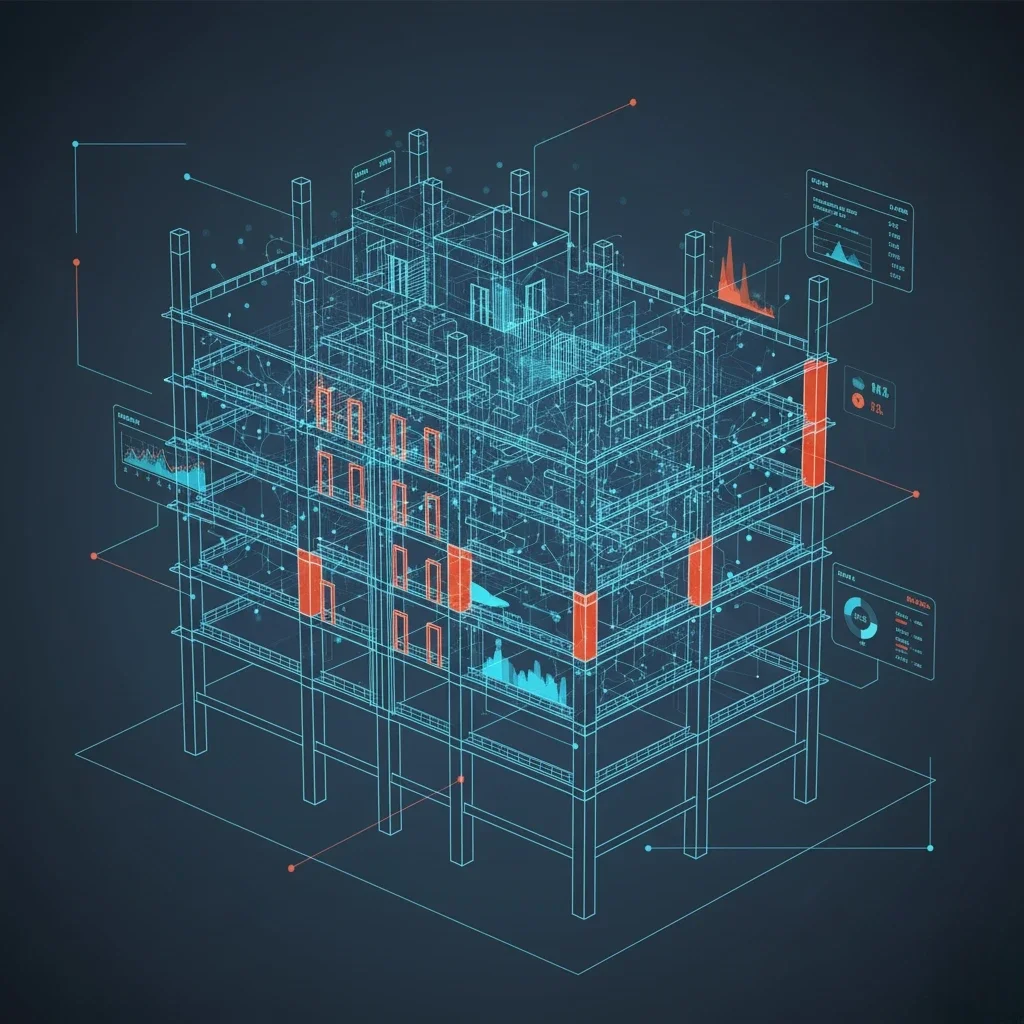
- GeoScope AI transforms the way geotechnical investigations are planned. The platform reviews project requirements, site information, engineering standards, and available historical data to recommend a tailored investigation strategy
- The AI identifies the most suitable field investigations, testing methods, borehole locations, depths, and reporting requirements while considering project risk levels and compliance obligations. Engineers receive clear recommendations supported by transparent reasoning and industry best practices.
- With GeoScope AI, teams can reduce planning time, improve consistency, minimize risk, and make more informed decisions before fieldwork begins.
Key Features
How it works?
Why Use GeoScope AI?
Ground conditions are often one of the greatest sources of uncertainty in engineering projects. Insufficient investigations can result in costly redesigns, delays, and construction challenges, while excessive investigations increase project costs unnecessarily.
GeoScope AI helps organizations strike the right balance by delivering data-driven, standards-based recommendations that improve confidence in early project decisions. The result is faster planning, reduced risk, and more efficient use of investigation budgets.
Who Can Use GeoScope AI?
GeoScope AI is designed for organizations involved in geotechnical investigations, infrastructure development, and construction planning, including:
- Geotechnical Engineering Consultants
- Civil Engineering Firms
- Infrastructure Project Teams
- Mining & Resources Companies
- Property Developers
- Government & Transportation Agencies
- Construction Contractors
- Environmental & Ground Engineering Specialists
Whether planning a small development or a major infrastructure project, GeoScope AI helps teams define the right investigation scope with greater accuracy and confidence.