

GIR AI

Transform Geotechnical Data into Engineering Insight and Decision Intelligence

Overview

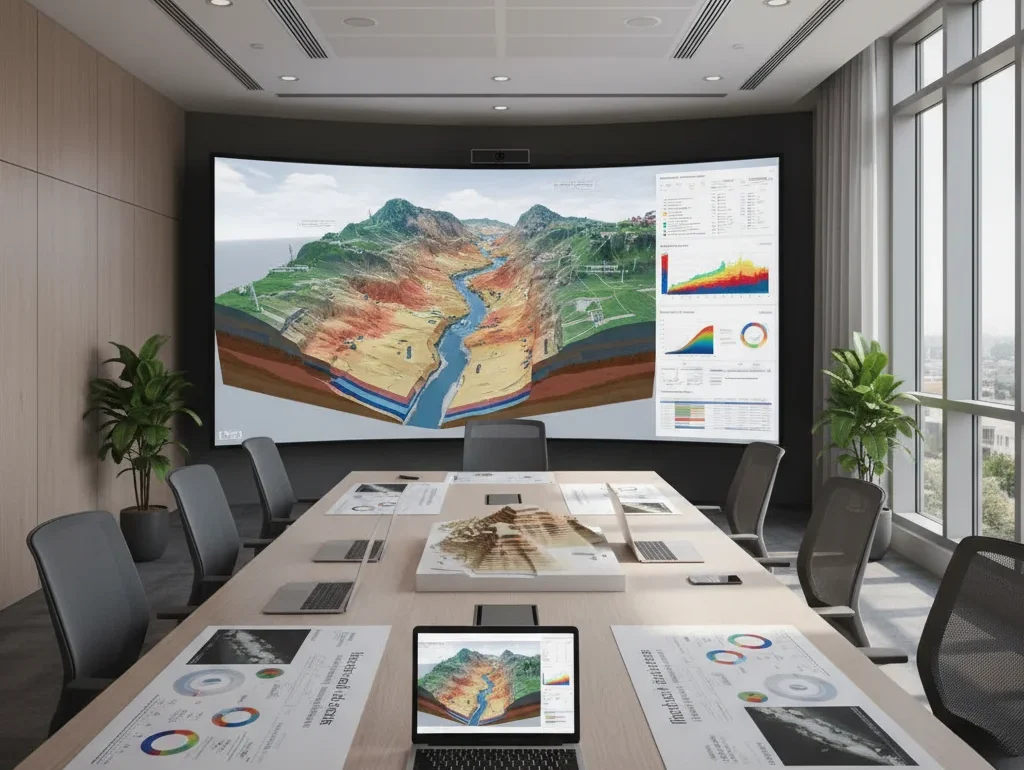
GIR AI is an advanced engineering intelligence platform designed to automate and accelerate the preparation of Geotechnical Interpretive Reports (GIRs). The platform transforms borehole logs, laboratory testing, field investigation data, geological information, and historical project records into engineering interpretations, design parameters, risk assessments, and professional geotechnical reports.

By combining artificial intelligence, geotechnical engineering knowledge, standards-based reasoning, and human expert review, GIR AI enables organizations to move from raw subsurface data to engineering-ready recommendations faster and more consistently than traditional workflows.
The platform acts as an intelligent geotechnical advisor, helping engineers interpret site conditions, assess ground risks, derive engineering parameters, and generate technically robust reports.

Challenges

Producing Geotechnical Interpretive Reports requires significant engineering expertise, technical analysis, and professional judgment. Engineers must review large volumes of investigation data, identify geological patterns, develop conceptual ground models, derive engineering parameters, evaluate uncertainties, and prepare comprehensive technical narratives.

Common challenges include:

  • Time-consuming interpretation of large datasets.
  • Variability in report quality between engineers and offices.
  • Difficulty leveraging historical project knowledge.
  • Repetitive preparation of engineering narratives and technical discussions.
  • Challenges identifying data gaps and uncertainties.
  • Inconsistent application of standards and industry guidance.
  • Limited visibility into subsurface risks during early project stages.
  • Increasing pressure to deliver high-quality reports within shorter timeframes.

As projects become larger and more complex, organizations need smarter tools to support geotechnical decision-making and reporting.


Solution

GIR AI transforms geotechnical data into engineering intelligence.
The platform analyzes borehole logs, laboratory testing results, CPT data, geological information, monitoring records, and historical project knowledge. It applies geotechnical engineering principles, industry standards, and AI-powered reasoning to interpret subsurface conditions, classify geological units, derive engineering parameters, identify risks, and generate draft Geotechnical Interpretive Reports.
Rather than replacing engineers, GIR AI acts as an intelligent decision-support system that accelerates interpretation while keeping engineers in control of final review and approval.
The result is faster report delivery, improved consistency, enhanced risk identification, and more informed engineering decisions.

Key Features

1

Automated Geotechnical Interpretation

Transform raw investigation data into engineering insights and technical conclusions.
2

Stratigraphic Model Generation

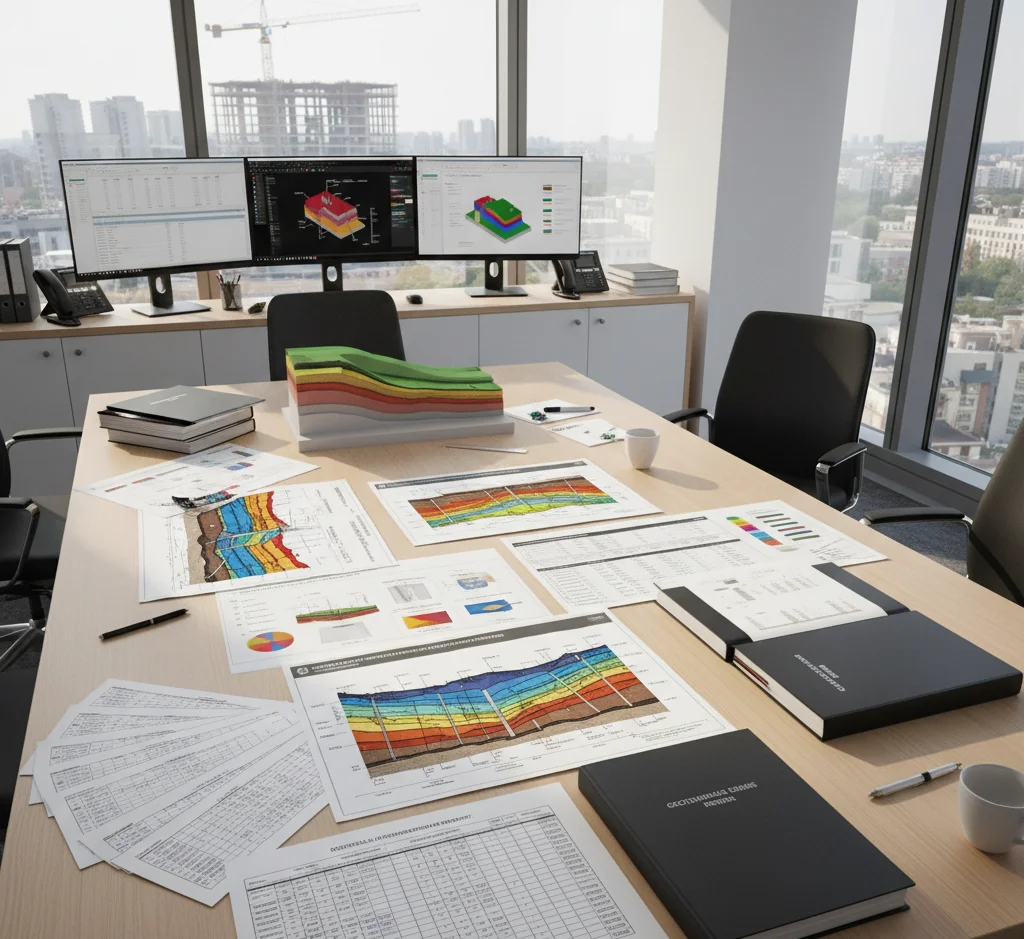
Automatically identify subsurface layers and generate geological profiles across investigation locations.
3

Soil & Rock Classification

Classify materials using recognized engineering standards and geotechnical best practices.
4

Engineering Parameter Derivation

Estimate engineering properties such as strength, stiffness, permeability, bearing capacity, and settlement characteristics.
5

Ground Model Development

Generate conceptual 2D and 3D subsurface models to support engineering assessment and design.
6

Risk & Uncertainty Analysis

Identify variability, data gaps, confidence levels, and potential geotechnical risks.
7

Standards-Aware Interpretation

Apply engineering reasoning aligned with industry standards and geotechnical guidelines.
8

Intelligent Report Writing

Generate technical narratives, engineering discussions, and draft interpretive reports automatically.
9

Quality Assurance Validation

Perform consistency checks, anomaly detection, and standards compliance reviews.
10

Human-in-the-Loop Review

Provide engineers with full transparency, editable outputs, and final approval control.

How it works?

Connect Investigation Data

Users upload borehole logs, laboratory testing results, CPT records, geological maps, field observations, monitoring data, and historical reports.

Data Processing & Validation

The system extracts, standardizes, validates, and structures geotechnical information into a unified engineering dataset.

Engineering Analysis

GIR AI applies geotechnical knowledge, engineering rules, standards libraries, and AI reasoning models to evaluate subsurface conditions.

Interpretation & Parameter Development

The platform develops geological models, engineering parameters, stratigraphic profiles, and risk assessments.

Report Generation

A draft Geotechnical Interpretive Report is automatically prepared, including engineering narratives, technical discussions, figures, tables, and recommendations.

Engineer Review & Approval

Qualified engineers review, refine, and approve outputs before final report issuance.

What are the core intelligence modules behind GIR AI?

What Can GIR AI Generate?

Why Geotechnical Interpretation Needs AI Assistance?

Who Benefits from GIR AI?

What are the business benefits of GIR AI?