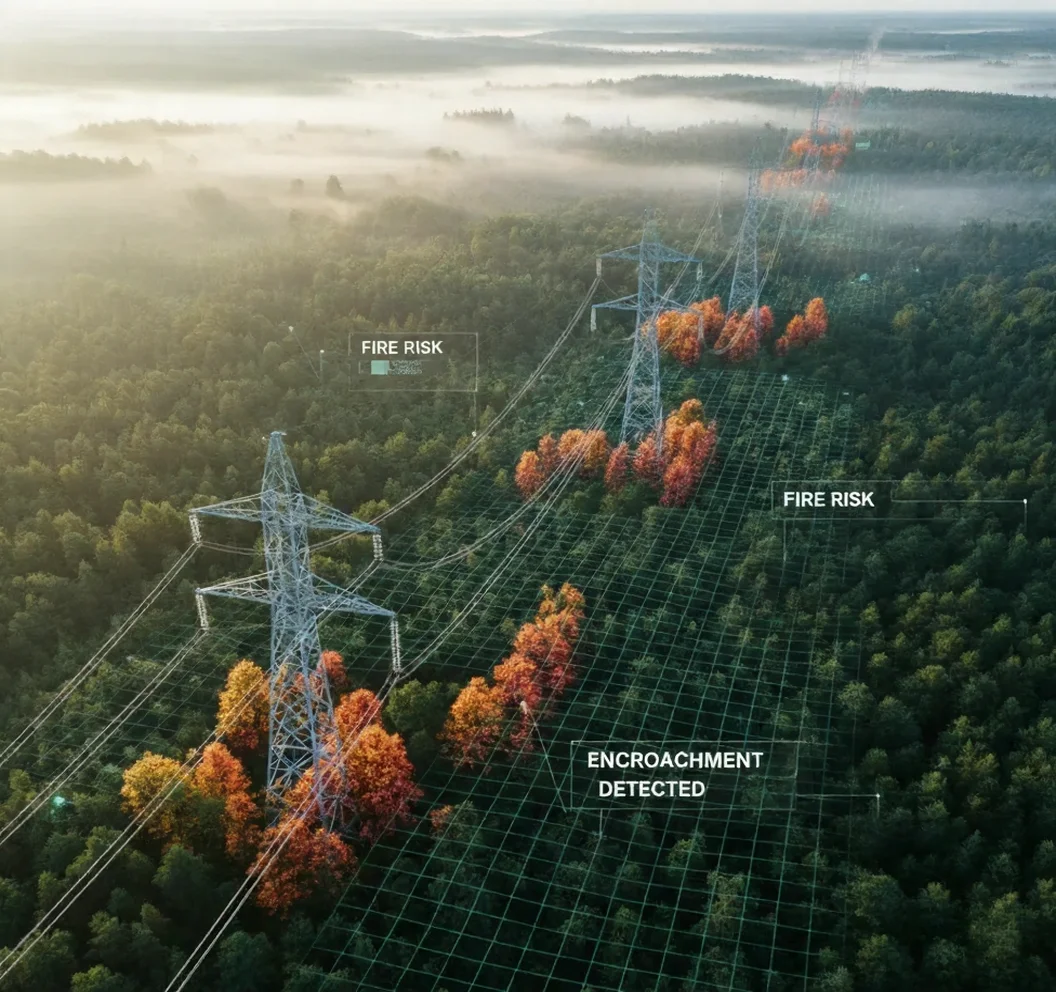


Detect early sepsis risk in real-time and prioritize critical ICU patients instantly.
SepsiGuard AI
See Sepsis Before It Strikes
Overview
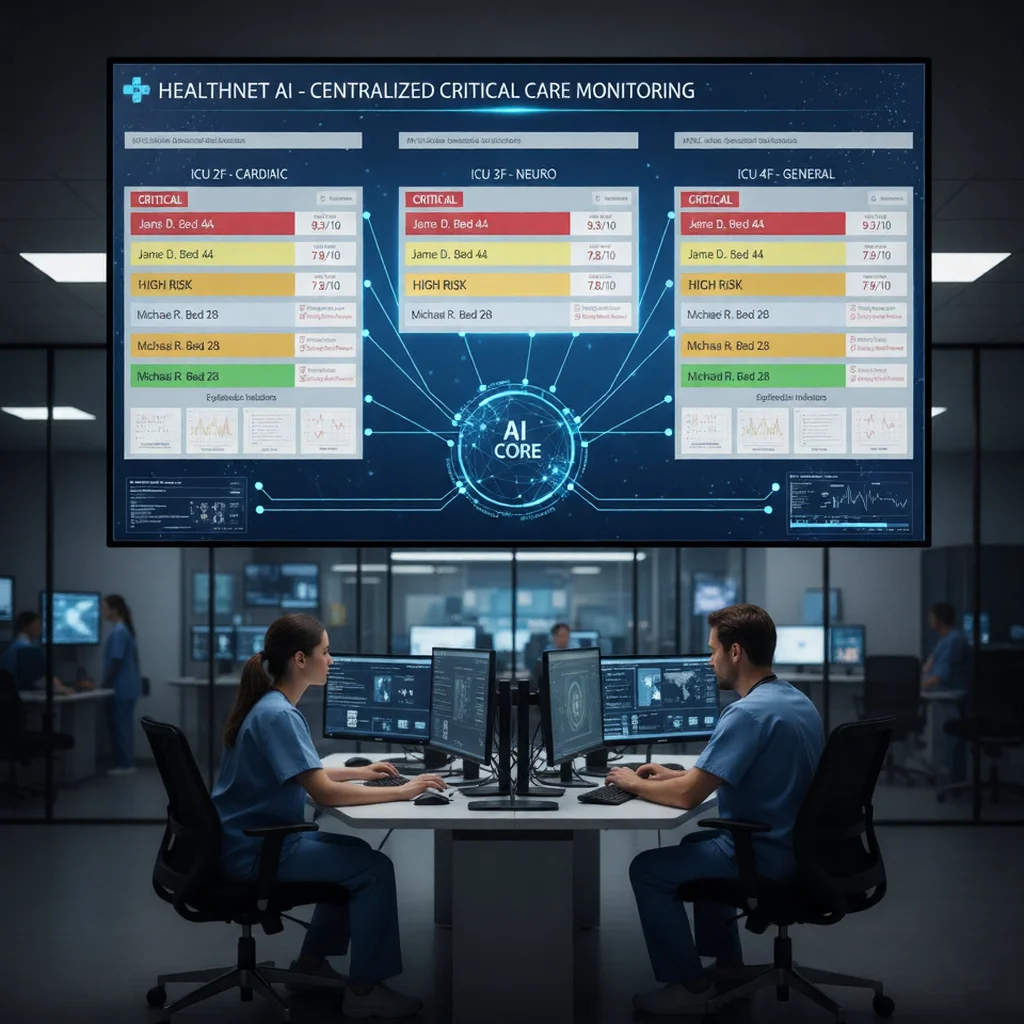
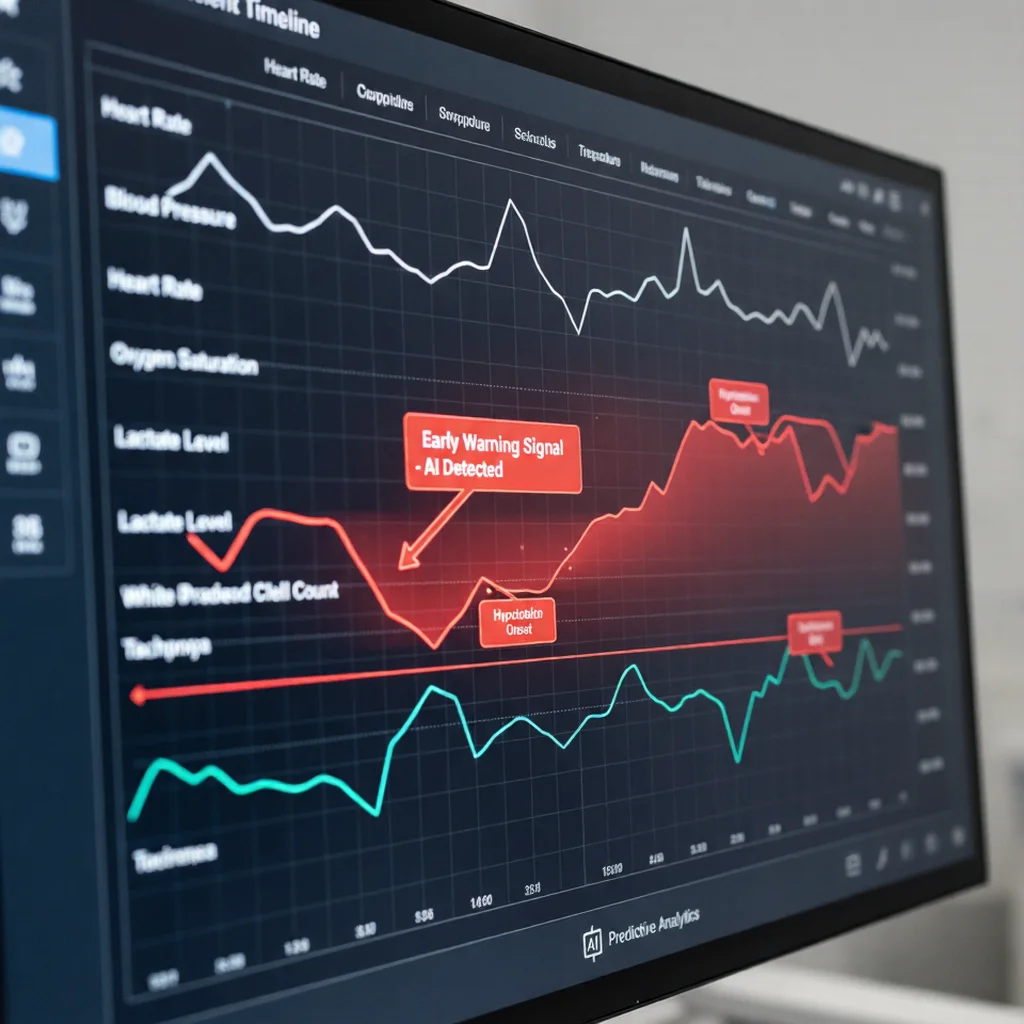
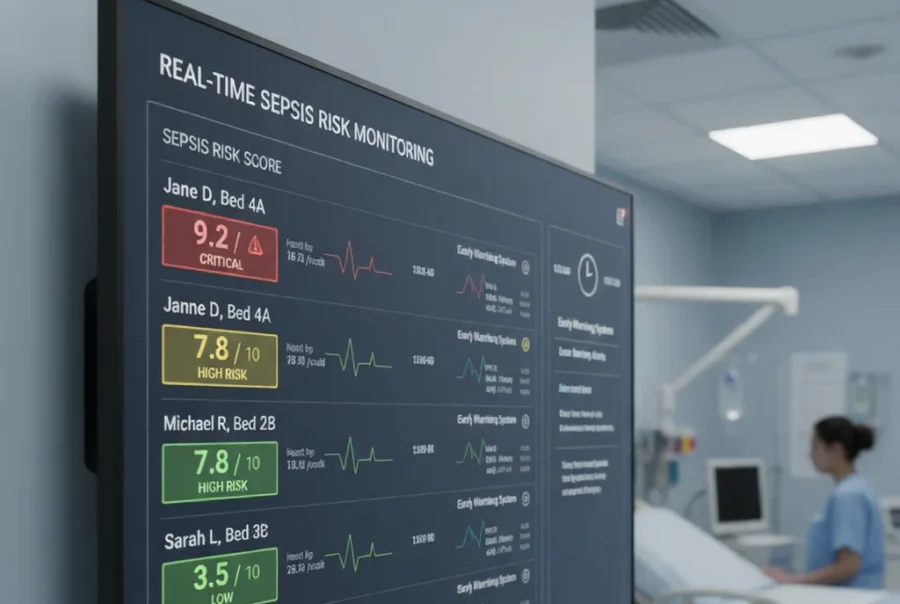
SepsiGuard AI is a real-time clinical analytics platform that continuously monitors ICU patient data to detect early indicators of sepsis and septic shock. Built on Snowflake with Cortex AI, it ingests live vital signs, lab results, clinical notes, and device telemetry. Using machine learning and GenAI-driven feature extraction, the system calculates a sepsis risk score for each patient and visualizes it on a real-time dashboard.
Rather than replacing clinical judgment, SepsiGuard AI augments decision-making by highlighting high-risk patients early, allowing doctors to intervene sooner and prioritize care where it matters most.
Challenges
- Delayed Detection: Early sepsis symptoms are subtle and distributed across multiple data sources.
- Alarm Fatigue: ICUs generate excessive alerts, causing clinicians to ignore critical warnings.
- Data Fragmentation: ICU data lives across monitors, EMRs, lab systems, and notes.
- Prioritisation Under Pressure: Clinicians must decide quickly which patient needs attention first.
Solution
- AI continuously correlates vitals, labs, and trends to identify early deterioration patterns that humans may miss.
- Risk-based prioritization reduces noise by escalating only clinically meaningful alerts.
- Snowflake unifies all real-time and historical patient data into a single analytics layer.
- The dashboard ranks patients by sepsis risk, enabling rapid, informed triage.
Key Features
How it works?
How Is SepsiGuard AI Used?
An ICU team monitors 20 patients during a busy night shift. SepsiGuard AI flags two patients whose vitals and labs show early sepsis patterns — even though both appear clinically stable. The dashboard ranks them at the top of the risk list. Doctors intervene early with antibiotics and fluids, preventing progression to septic shock and avoiding emergency escalation hours later.
What Impact Does SepsiGuard AI Deliver?
- Earlier Intervention: Detects sepsis hours earlier than traditional rule-based alerts.
- Improved Prioritisation: Helps clinicians focus attention on the sickest patients first.
- Reduced ICU Mortality Risk: Early detection is strongly correlated with better outcomes.
- Operational Efficiency: Doctors can manage more patients safely with clearer prioritisation.
- Scalable Intelligence: One dashboard can support multiple ICUs simultaneously.